
About AMGTA · Since 2019
AMGTA is the only global, independent, non-competitive organization focused exclusively on additive manufacturing in resource-efficient manufacturing systems.
Founded in 2019 by organizations across the manufacturing ecosystem, AMGTA now has members across five continents — technology developers, manufacturing users, and the internal champions advancing adoption inside their own organizations.
AMGTA builds the argument and evidence base that lets the whole ecosystem communicate credibly about what additive manufacturing actually changes — at the part, system, and enterprise levels.
Our Founding
Why independence matters
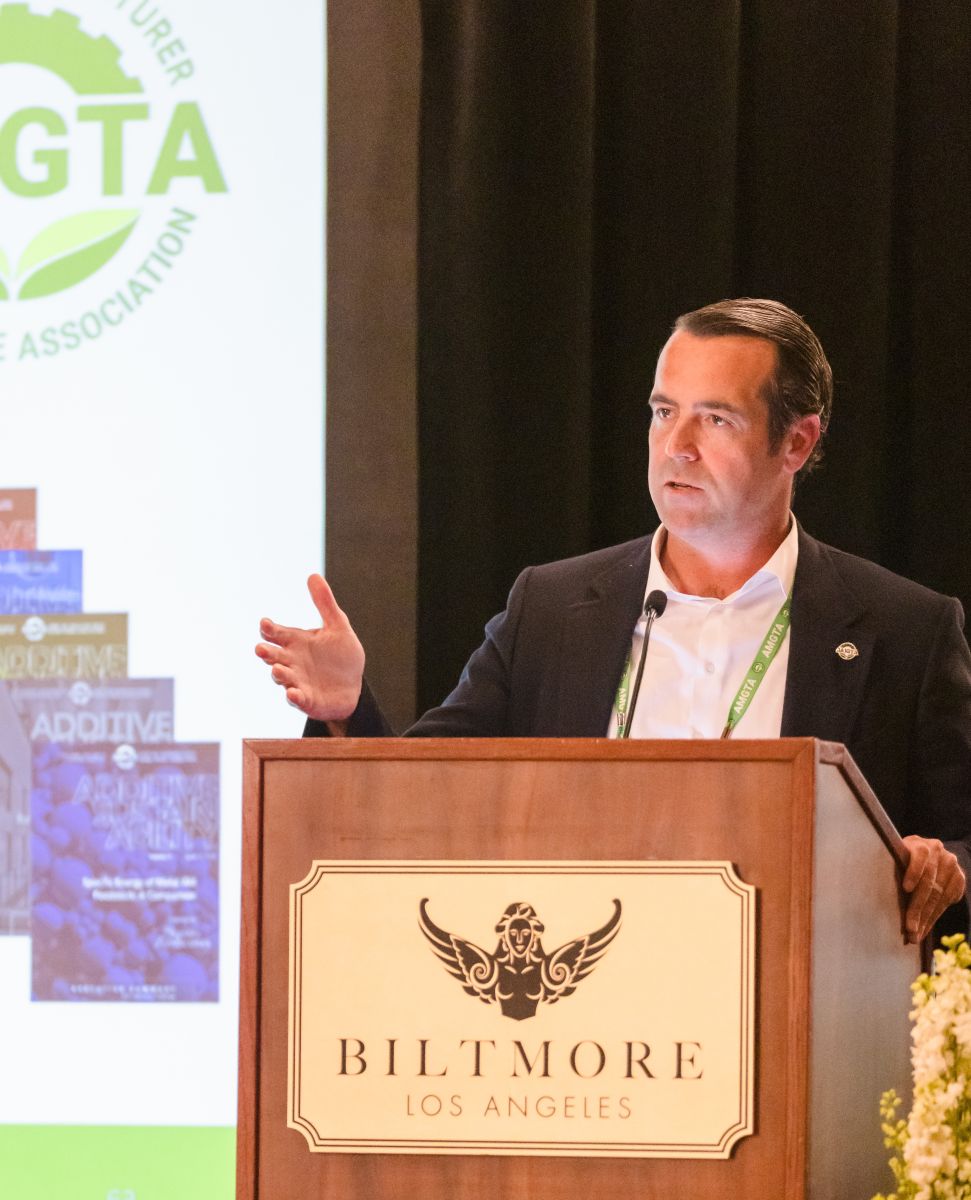
Brian Neff, Founder Member, Board Chair, AMGTA
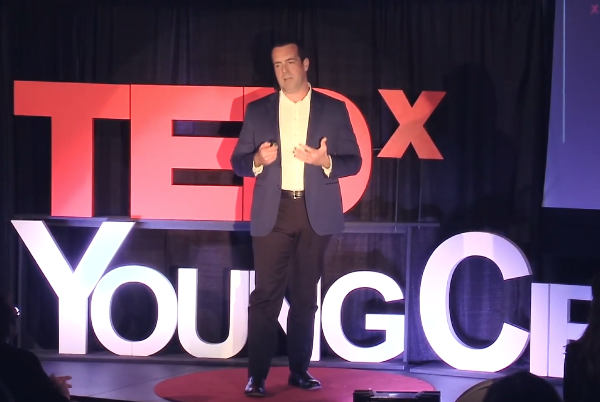
The Green Future of Manufacturing — TEDx, 2019
Brian Neff, CEO of Sintavia, saw additive manufacturing’s potential to simultaneously improve environmental, economic, and performance outcomes. He also recognized that meaningful change at industry scale would require a collective effort no single organization could lead alone—and that for the collective effort to work, the organization carrying it had to belong to the ecosystem, not to any one member of it.
In 2019, Brian convened the founding members — Sintavia, QC Labs, Stratasys, Divergent Technologies, Höganäs, ExOne, and Taiyo Nippon Sanso — to establish AMGTA as an independent non-profit trade association. Founding members contributed the time, capital, and credibility to make AMGTA a working organization from day one. They were joined that same year by participating members across the additive manufacturing ecosystem — technology developers, manufacturers, materials companies, and research institutes whose engagement made AMGTA a viable trade association. AMGTA was deliberately not founded as an initiative inside any member company, no matter how invested.
The structural independence was the point—not because of distrust of any individual member, but because participation, information sharing, and open conversation across the ecosystem only happen when no single company owns the room.
What started as a small group united around shared questions has grown into AMGTA’s current chapter—members across five continents, six years of independent evidence, and a body of work the additive manufacturing ecosystem now references, cites, and uses.
The structural argument outlasts the founding moment. A technology provider explaining additive manufacturing’s value is, necessarily, making a case for their own products. A national association promotes a domestic industry. A consultancy has services to sell. AMGTA’s position requires none of that—which is what makes its framing usable by all sides simultaneously, by technology developers, manufacturing users, and the executives and policymakers both groups are trying to reach.
Resources
AMGTA Resources
Reports, analytical content, applied research, and announcements from the only global, independent, non-competitive organization focused on additive manufacturing in resource-efficient manufacturing systems.
LEADERSHIP

Sherri Monroe
Executive Director
Sherri leads AMGTA’s strategy and thought leadership, and authored the 2026 evaluative framing Vision Paper and Strategy 2030 direction that define the organization’s current chapter.
She brings leadership experience from the for-profit and non-profit sectors, driving innovation in both start-ups and legacy organizations, and stakeholder engagement at large national and global humanitarian NGOs. She holds an MBA.

Governance
Board of Directors
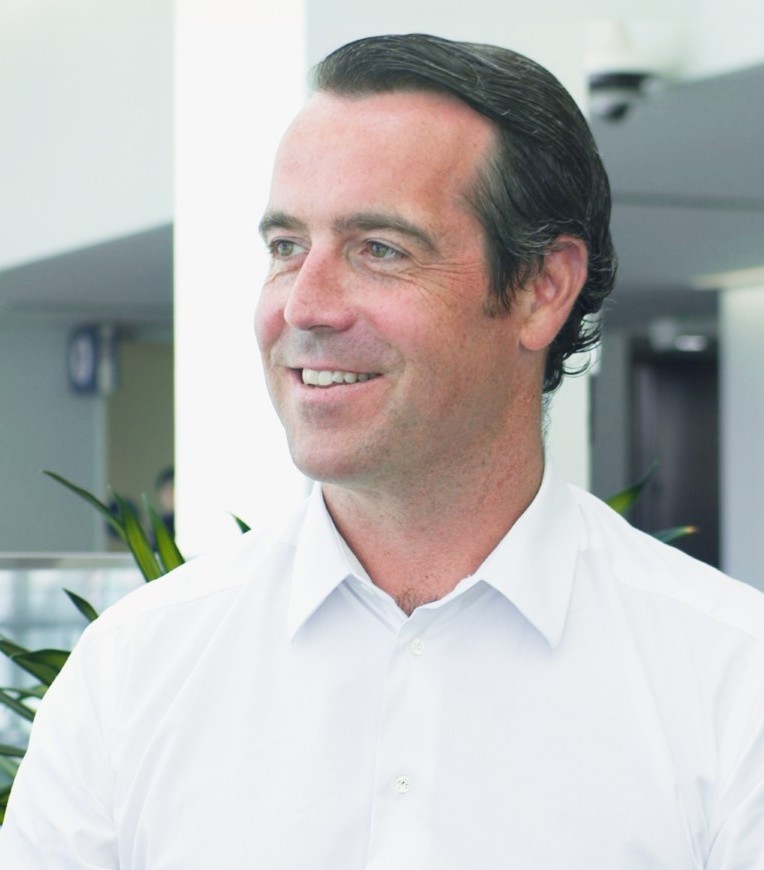
Brian Neff
Board Chair
About Brian Neff
Brian Neff is the Chief Executive Officer of Sintavia, a designer and additive manufacturer of advanced propulsion and thermodynamic systems for flight and launch customers.
Brian founded Sintavia in 2015 after working with metal additive manufacturing at CTS Engines, a jet engine MRO he acquired in 2010. Prior to CTS, he was the President of Southern Air, a wide-body cargo airline, from 2007 to 2009, and was its CFO from 2003 to 2007. Brian holds a BA from Dartmouth College and an MBA from Columbia Business School.
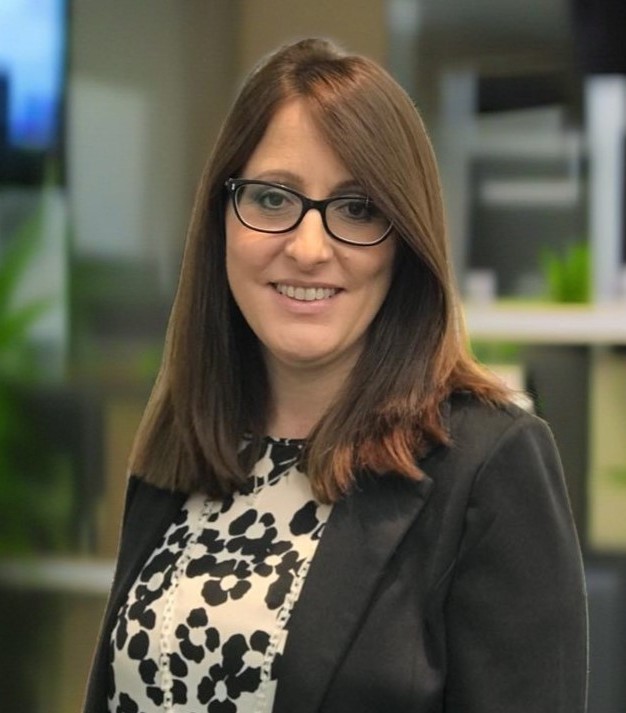
Rosa Coblens
Board Director
About Rosa Coblens
Rosa Coblens is the Vice President Sustainability, Public Relations & Global Internal Communications at Stratasys – a global leader in polymer 3D printing solutions for industries such as aerospace, automotive, consumer products, and healthcare.
For over six years, Rosa has held several positions at Stratasys focused on corporate social responsibility, employee engagement, strategic communications, and PR. Previously, she was Head of Global Internal Communications at NICE Systems, the worldwide leading provider of both cloud and on-premises enterprise software solutions. Ms. Coblens received an Executive MBA, MA in Non-profit Management, and BA in Art History and English Literature from The Hebrew University of Jerusalem.

Björn Hannappel
Board Director
About Björn Hannappel
Björn Hannappel is the Head of Sustainability at EOS and leads their global sustainability efforts, integrating ESG strategy and decarbonization across industrial 3D printing operations. He developed EOS’s Responsible Manufacturing strategy, set Science-Based Targets, and drives initiatives in carbon accounting, lifecycle transparency, and DEI. Previously, he led the global GoGreen program at Deutsche Post DHL Group. Björn is recognized for advancing sustainable product development and enabling measurable, responsible growth in additive manufacturing.

Dean Bartles, PhD
Board Director
About Dr. Dean Bartles
Dean Bartles currently serves as CEO of the National Center for Defense Manufacturing and Machining (NCDMM). He was previously appointed to the role in 2019 after nearly a decade of service on the organization’s Board of Directors from 2010 to 2019. In 2020, he established the parent holding company, Manufacturing Technology Deployment Group (MTDG), where he serves as President and CEO.
Dean previously spent 31 years with General Dynamics Corporation, where he designed and commissioned manufacturing facilities in Egypt and Turkey and managed multiple U.S.-based manufacturing operations.